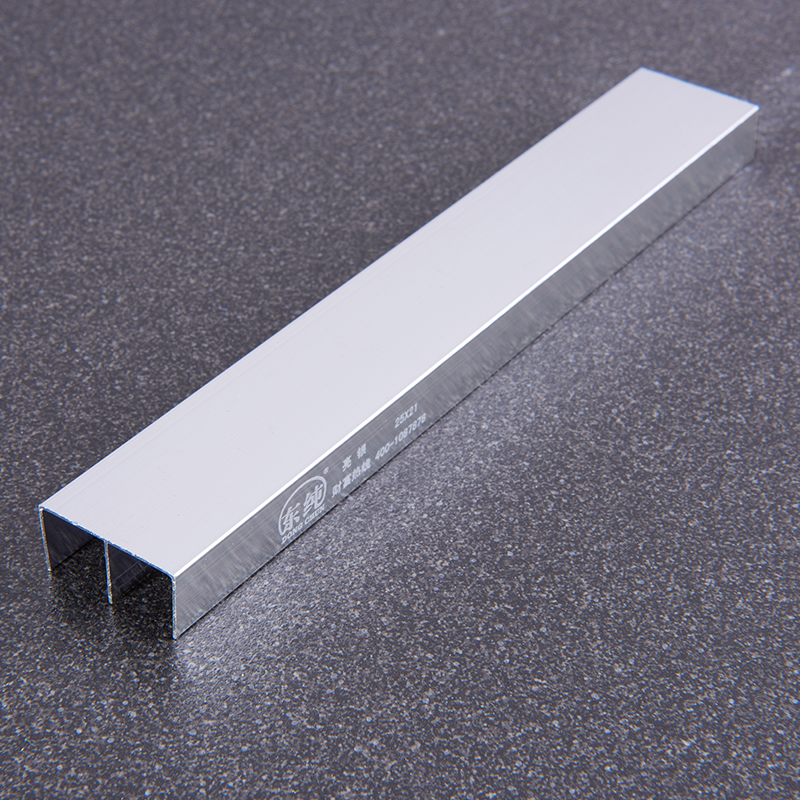
Round PVC Tile Trim with Round Edge – Durable and Stylish Tile Finishing Solutions

By:Admin on 2026-02-09 01:49:10

Certainly! Please provide the company introduction you'd like me to incorporate, and I’ll draft an 800-word news article on the Round PVC Tile Trim Round Edge product with the brand name removed.

Read More

PVC Tile Edge Trim Gold – Durable and Stylish Flooring Finish

By:Admin on 2026-02-02 01:51:15

Certainly! Please provide the company introduction you would like me to incorporate into the news content. Once I have that, I can craft an 800-word news article about Arc PVC Tile Edge Trim Gold without mentioning the brand name.

Read More

Sure! Please provide the original SEO title or the news content about "Floor Tile Trim Edge" so I can rewrite it for you.

By:Admin on 2026-01-26 01:49:22

**Innovative Advantages of Floor Tile Trim Edge in Modern Interior Design**In the ever-evolving world of interior design and construction, the use of floor tile trim edges has become an indispensable element for achieving both aesthetic appeal and functional durability. Floor tile trim edges are designed to provide a clean, polished finish to tiled surfaces, protect tile edges from chipping and damage, and enhance the overall look of flooring projects. As the demand for high-quality finishing materials grows, manufacturers are continuously improving the design and materials of floor tile trim edges to meet the needs of both residential and commercial construction.Floor tile trim edges serve multiple purposes beyond mere decoration. They act as protective borders that safeguard tile corners, which are typically vulnerable to impact and wear. This protection increases the longevity of tiled floors and walls, reducing maintenance costs over time. Additionally, trim edges facilitate smooth transitions between different flooring materials or levels, thereby preventing tripping hazards and ensuring safety. Their versatility allows them to be used in bathrooms, kitchens, hallways, and commercial lobbies, adapting to diverse design themes and functional requirements.The material composition of floor tile trim edges is critical to their performance. Commonly used materials include aluminum, stainless steel, PVC, and anodized metals, each offering unique benefits. Aluminum trims are lightweight, corrosion-resistant, and easy to install, making them a popular choice for many projects. Stainless steel trims provide robust durability and a sleek, modern look, while plastic-based trims offer cost-effective solutions for areas with light foot traffic. Recent advancements have also introduced eco-friendly materials and finishes that align with sustainable building practices, addressing the growing environmental concerns in construction.Installation techniques for floor tile trim edges have been simplified through innovative design improvements. Many trim edges now feature pre-drilled holes, self-adhesive backing, or snap-in mechanisms that enable faster installation and better alignment with tiles. This reduces labor costs and minimizes potential errors during the application process, benefiting contractors and homeowners alike. Furthermore, the availability of trims in various sizes, colors, and profiles allows designers to tailor their choices to complement the specific tile designs and overall décor styles.In addition to practical benefits, floor tile trim edges contribute significantly to the aesthetic enhancement of tiled surfaces. They create a sense of completeness and professionalism, transforming ordinary flooring into visually appealing spaces. Whether used to outline a kitchen backsplash, frame a bathroom floor, or finish the edges of a commercial lobby floor, neat trim edges convey attention to detail and craftsmanship. This elevated finish is particularly valued in high-end construction projects, where design excellence is paramount.Manufacturers have also placed a strong emphasis on quality control and product certification. Many floor tile trim edges now comply with international standards ensuring their durability, safety, and environmental sustainability. Certifications such as ISO, CE, and RoHS demonstrate manufacturers’ commitment to superior product performance and eco-responsibility. This assurance builds consumer trust and supports the adoption of these trims in large-scale developments and public infrastructure projects where regulatory compliance is crucial.As the construction industry embraces digitalization, manufacturers of floor tile trim edges are leveraging modern technologies such as 3D modeling and automated production lines to design and produce trims with precision. This technological advancement ensures consistent product quality and allows for customization options that meet unique architectural requirements. Digital catalogs and augmented reality applications also enable customers to visualize how different trims will look in their spaces before purchase, enhancing the decision-making process.In view of current market trends, the future of floor tile trim edges looks promising. The growing emphasis on smart homes and integrated building solutions is expected to influence the design of trims with multifunctional properties, such as integrated LED lighting or sensors that can contribute to ambient lighting and safety features. Additionally, innovations in material science may lead to even more durable, lightweight, and sustainable trim solutions, further expanding their applications.To sum up, floor tile trim edges have evolved into essential components that marry functionality with elegance in tiled flooring and wall projects. Their protective benefits, ease of installation, aesthetic value, and alignment with sustainable practices make them a smart choice for modern construction and interior decoration. As technology and design continue to advance, these trims will undoubtedly play a key role in shaping the future of flooring solutions, meeting the dynamic needs of both designers and consumers.---*This report highlights the essential role and innovative trends of floor tile trim edges in the contemporary construction industry, reflecting the commitment of manufacturers to quality, design excellence, and sustainability.*

Read More